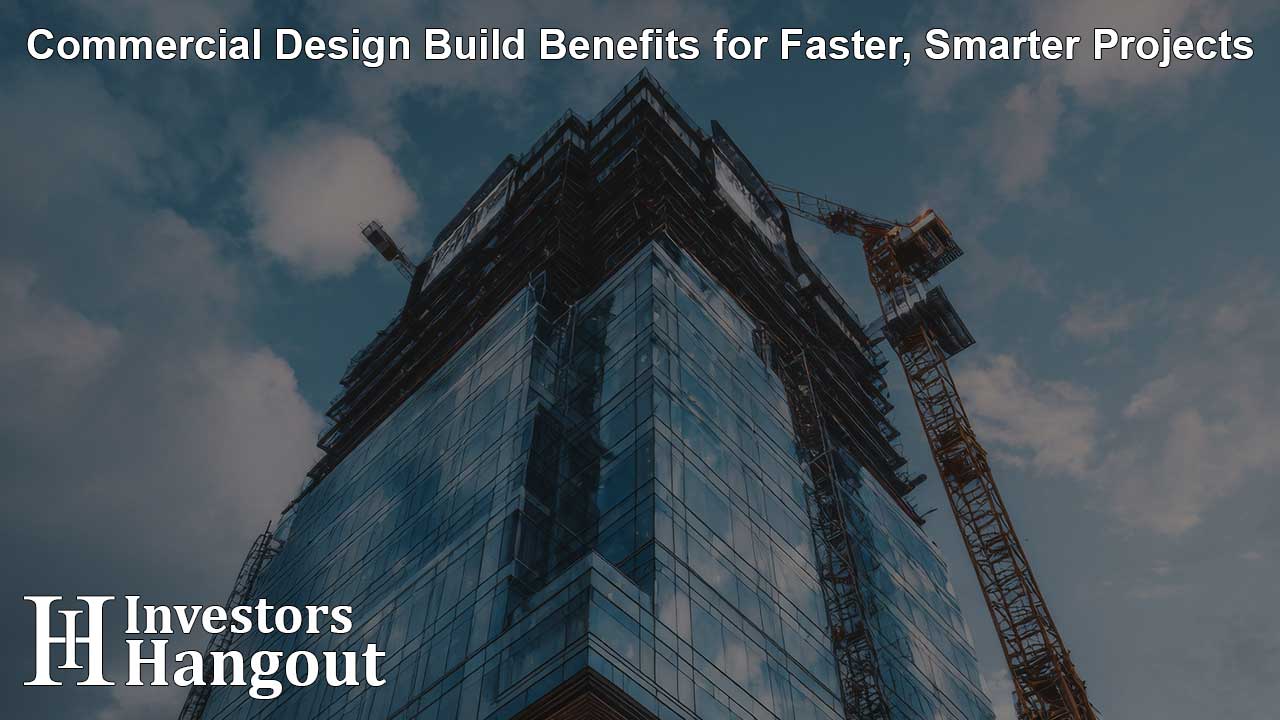
Commercial construction is easier to manage when planning, design, and construction follow a single, coordinated process. A unified team reduces handoff delays, keeps decisions connected, and gives owners a clearer view of cost, schedule, and performance. This approach also links site selection, technology, and operational needs before drawings reach the field. The result is a more controlled path from the first business case to the completed facility, with one accountable project partner from the start.
One Team Controls The Project Path
A commercial design-build firm brings strategy, site selection, design, and construction into one workflow. This arrangement gives the owner one main point of contact instead of separate contracts that divide responsibility.
The benefit appears during transitions. Designers understand the construction plan, while builders understand the design decisions. Questions get answered faster because information stays within the same project structure.
A unified team also reduces duplicated reviews. The owner does not need to repeat the same goals to an architect, general contractor, and specialty consultant working in separate channels.
Planning Starts Before Design
A project gains control when the team defines business needs before drawing floor plans. Early planning identifies the site, required capacity, customer flow, employee functions, technology needs, and future operational demands.
Site selection also affects the budget and schedule. Zoning requirements, access, utilities, traffic patterns, and local approvals shape the construction plan before major design decisions become fixed.
A commercial design-build process addresses these questions early. That sequence helps the owner compare practical options before committing to a site or a building program.
Strategy Sets Measurable Priorities
A clear strategy converts broad goals into project decisions. The owner can establish priorities for square footage, customer experience, staffing, security, technology, and operating costs.
The design team then tests each choice against those priorities. This process limits attractive features that add expense without supporting the facility’s purpose.
Design Decisions Connect To Construction
Traditional project delivery often separates design decisions from construction pricing. Design-build teams review those areas together, so the construction implications remain visible during planning.
The team can examine material availability, installation requirements, structural conditions, and maintenance needs before issuing final documents. That review reduces late revisions that disrupt procurement or field work.
Budget discussions also become more practical. Instead of waiting for a final bid, the owner receives cost feedback while layouts and specifications remain adjustable.
Communication Reduces Delays
Construction delays often begin with unclear ownership. A coordinated design-build structure assigns responsibility for decisions, approvals, documentation, and field responses.
Regular project meetings keep the owner informed about open items and upcoming choices. Shared schedules link design submissions, permits, procurement, and site activities to aone another.
When an issue appears, the responsible team can evaluate its design, cost, and schedule effects together. This approach prevents one change from creating hidden problems elsewhere in the project.
Technology Enters The Plan Early
Commercial facilities depend on technology for daily operations, security, communication, and customer service. A design-build team accounts for those systems while planning the building, rather than adding them after construction documents are complete.
Early coordination ensures technology requirements are built into the electrical, structural, and interior plans. It also supports better equipment locations, access routes, service areas, and future upgrades.
For financial institutions, this coordination matters because technology shapes both employee work and customer interaction. The company’s stated process combines strategy, technology, site selection, design, and construction into a single service model.
Construction Benefits From Earlier Decisions
Field crews work more efficiently when drawings, materials, and approvals arrive in the correct order. Design-build coordination supports that sequence by connecting office planning with site execution.
The team can identify conflicts before installation begins. It can also coordinate subcontractor input while details remain open, rather than correcting completed work later.
This planning does not remove every construction issue. It gives the project a defined method for resolving issues without losing sight of cost, schedule, or the owner’s operating goals.
A Practical Selection Checklist
Owners should assess a prospective firm through specific questions:
-
Does one team manage strategy, design, and construction?
-
Does the process include site selection and technology planning?
-
How are cost updates communicated during design?
-
Who approves scope changes and schedule adjustments?
-
Which project decisions require owner action?
-
How does the team document open issues and responsibilities?
Clear answers reveal whether the process supports real project control. A portfolio can also show whether the firm has worked with facilities that require customer-facing spaces, specialized technology, and operational continuity.
Conclusion
A commercial design-build firm streamlines a project by connecting business planning with site decisions, design development, pricing, technology, and construction. Owners gain clearer responsibility, earlier cost information, and faster responses to project questions. Next, compare firms by their actual workflow, not by broad claims. Request a sample schedule, decision log, and design-to-construction process, then confirm who owns each approval before signing an agreement.