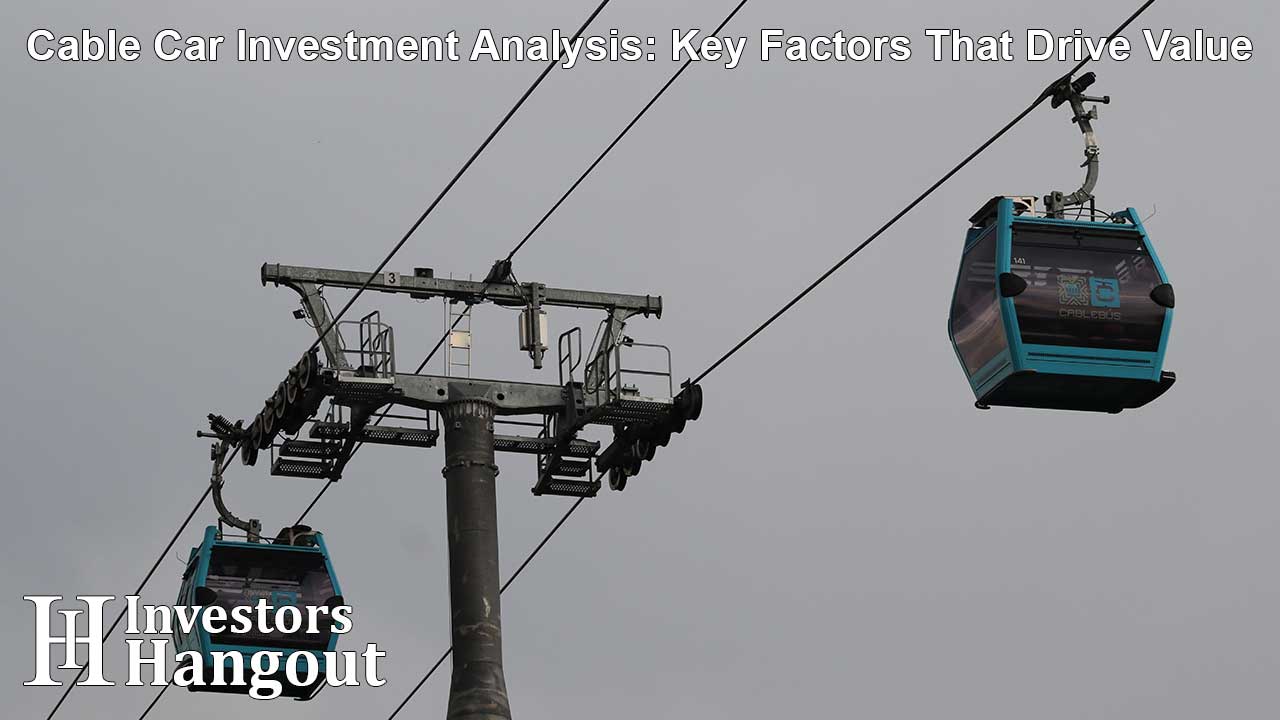
A cable car business can look attractive from the outside: a strong destination, visible visitor traffic and a piece of infrastructure that may be difficult to replicate. For investors, however, the real decision comes down to how those advantages translate into durable cash flow. The most important factors are interconnected.
Proven Demand and Pricing Power
Investors want evidence that people will keep coming and that the attraction can convert demand into revenue. Historical ridership is only the starting point. Realised ticket yield, seasonality, weather sensitivity, direct versus third-party sales and concentration in tour operators all help explain the quality of demand.
Revenue beyond the ticket also matters. Food and beverage, retail, premium products, events and adjacent attractions can increase spend per visitor and reduce reliance on the base fare.
Quality of EBITDA
Headline EBITDA is rarely accepted at face value. Investors normally adjust for owner compensation, one-off costs, related-party items, deferred maintenance and other factors that may distort sustainable earnings.
The key question is whether cash generation can continue after the transaction without relying on unusually low costs or underinvestment.
Technical Condition and Future Capex
Ropeways are specialist infrastructure. Buyers therefore review inspection history, maintenance records, downtime, major component replacements, spare-parts availability and the capital required over the holding period.
An older system can still be investable if it is well maintained and its future needs are understood. A newer system with poor records may be harder to underwrite.
Operating Rights
Concessions, leases, easements, permits and change-of-control provisions can be as important as the physical equipment. Investors need to know how long the business can operate, how rights are renewed and whether they transfer with the transaction.
Growth That Can Be Explained Operationally
Strong investment cases usually identify practical levers: pricing, direct distribution, capacity management, longer operating hours, ancillary revenue, lower downtime or commercial use of station space.
Generic tourism-growth assumptions are less convincing than initiatives that can be linked to existing operating data.
That is what investors look for in a ropeway asset: not one perfect metric, but a combination of demand, earnings quality, technical resilience, secure rights and a credible path to create more value.
How the Factors Interact in Underwriting
Investors rarely evaluate these factors independently. A business with strong ridership may still be difficult to value if the concession is short. High EBITDA can be less attractive if it reflects deferred maintenance. A modern system can still disappoint if the attraction has weak pricing power or relies on a single tour operator for a large share of demand.
The investment case therefore needs to connect operating metrics with financial outcomes. If ticket yield has increased, the buyer will want to know whether volumes held up. If downtime has fallen, the effect should be visible in operating days, capacity and revenue. If a growth plan depends on premium experiences or ancillary spend, the buyer will look for evidence that visitors have both the time and willingness to purchase them.
Good data quality makes these relationships easier to test. Consistent monthly reporting, reconciled operational and financial figures, and a transparent capex plan reduce uncertainty. They do not guarantee a higher valuation, but they allow investors to distinguish a manageable risk from an unknown one.
What Can Weaken an Otherwise Attractive Investment Case?
An asset can have strong visitor demand and still be difficult to underwrite if important risks are not clearly documented. Short or uncertain operating rights, incomplete maintenance records, dependence on one distribution partner or a large backlog of required capex can all reduce confidence in the durability of earnings.
The same applies to management concentration. If pricing, supplier relationships, technical knowledge and authority contacts all sit with one owner, the buyer needs to understand what happens after that person steps away. A profitable business may therefore require a more detailed transition plan than the headline financials initially suggest.
Investors are not looking for an asset with no risks. They are looking for risks they can identify, quantify and manage. The more clearly those issues are reflected in the data, contracts and operating plan, the easier it is to distinguish a fixable problem from an uncertainty that needs to be priced conservatively.
How Investors Test Downside Resilience
A credible investment case needs to work outside the base-case scenario. Buyers therefore consider what happens if ridership softens, ticket yield comes under pressure, maintenance spending rises or planned commercial initiatives take longer to deliver.
The purpose of downside analysis is not to predict one exact bad year. It is to understand which parts of the business are most sensitive and whether the asset can continue to fund safe operations, essential maintenance and contractual obligations when performance is weaker than expected.
This is where the interaction between operating rights, capex and cash flow becomes especially important. A business with stable demand but heavy near-term reinvestment can have a very different risk profile from an asset with similar EBITDA and a lighter maintenance programme. Investors want to understand both the earnings they are buying and the capital required to protect those earnings over time.
The Business Behind the Infrastructure Matters
A cable car is not investable simply because the location is spectacular. Investors also assess the management team, safety culture, reporting quality and ability to operate without one indispensable owner.
The strongest businesses make the economics easy to verify. When demand, rights, technical condition and growth plans are transparent, investors can make decisions with greater confidence – and price risk more accurately.