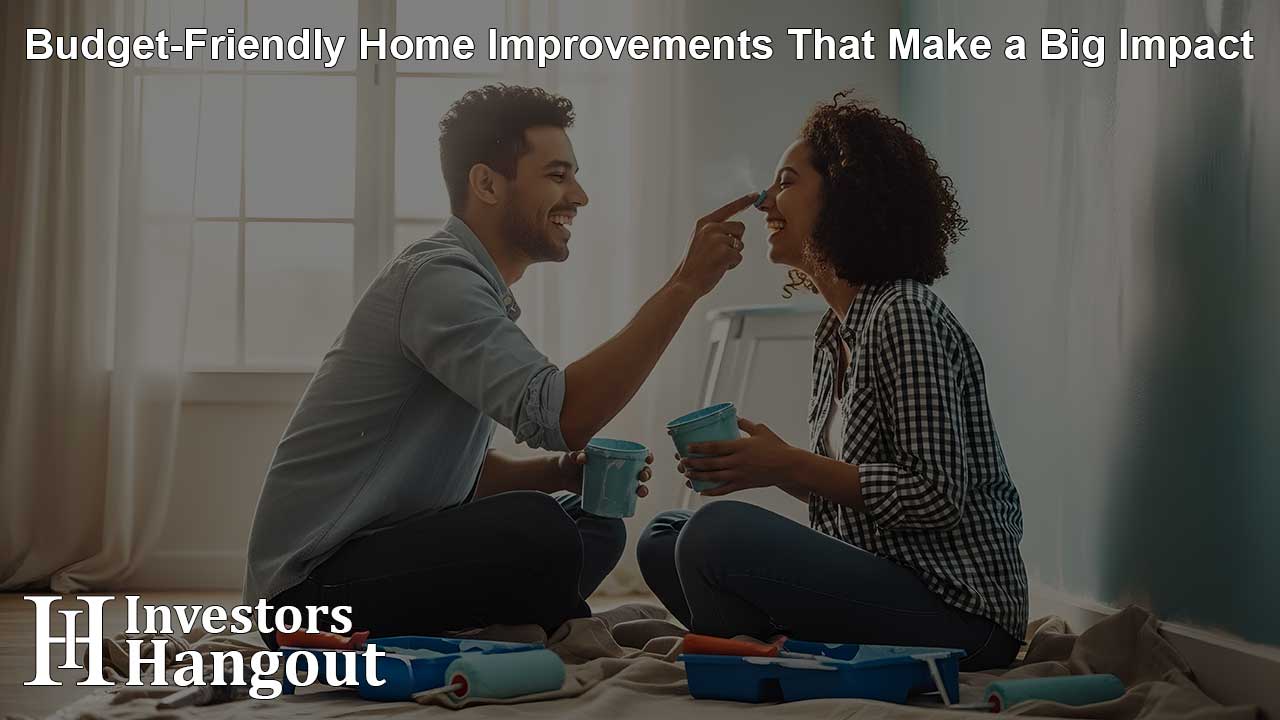
Have you noticed how people in places like Hayward, CA, now talk about paint colors and patio lights the way they once talked about stock tips? With inflation squeezing grocery bills and mortgage rates still making headlines, homeowners have become surprisingly strategic. Instead of tearing down kitchens or adding expensive extensions, many Americans are chasing smaller upgrades that change how a home feels without draining a savings account. The funny part is that some of the cheapest fixes now deliver the biggest emotional payoff.
Paint That Changes the Mood
A fresh coat of paint still gives the highest return for the lowest effort, partly because people underestimate how much color affects stress levels. During years shaped by remote work and nonstop screen time, homes have become offices, gyms, and weekend hangouts all at once. Soft greens, warm whites, and muted blues calm a room in a way expensive furniture often cannot.
Painting cabinets instead of replacing them has become especially popular because new cabinetry prices now feel like luxury-car payments. Even one painted accent wall can sharpen a dull living room. The trick is consistency. When trim, doors, and walls share complementary tones, the entire space suddenly feels cleaner and more expensive.
Lighting That Makes a House Feel New
Lighting upgrades have quietly become the home improvement version of a good haircut. People may not immediately identify what changed, but they notice the result. Replacing dated fixtures with modern LED options instantly improves a room while lowering electric bills, which matters when utility costs continue rising across the country.
Homeowners are also paying more attention to curb appeal because neighborhoods increasingly function like personal brands. A tidy exterior signals stability in uncertain times. That explains why many people combine better outdoor lighting with small repairs. For those living in Hayward garage door services have become a practical way to improve both appearance and function, especially when dented doors or noisy tracks make a home look older than it really is. A polished entryway creates a surprisingly strong first impression before guests even reach the front step.
Peel-and-Stick Products Are Winning
There was a time when peel-and-stick decor sounded like something destined to curl at the corners after two months. Now, improved materials have changed the game. Renters and homeowners alike use removable wallpaper, backsplash tiles, and vinyl flooring because they create dramatic visual changes without requiring contractors or permits.
This trend reflects a broader cultural shift toward flexibility. Americans move more frequently for work, and younger homeowners often hesitate before making permanent design choices. Peel-and-stick upgrades fit that mindset perfectly. A plain bathroom gains personality with patterned wallpaper, while a basic kitchen suddenly feels brighter with subway-style adhesive tiles. The best part is psychological. Small visual upgrades make daily routines feel less repetitive, which matters more than people admit during stressful economic periods.
Hardware Can Quietly Modernize a Room
Replacing cabinet handles, drawer pulls, and faucets sounds almost laughably minor until you see the before-and-after effect. Old brass knobs or scratched fixtures date a space faster than most people realize. Matte black and brushed nickel finishes now dominate because they look clean without appearing cold.
This upgrade works because people interact with hardware constantly. You touch cabinet handles dozens of times every day, so newer finishes create a subtle feeling of freshness that expensive decor sometimes fails to deliver. It also helps that swapping hardware rarely requires professional help. A screwdriver and a free afternoon can make a kitchen feel remodeled for under two hundred dollars. In an era where full renovations can cost as much as college tuition, that kind of affordability feels refreshing.
Landscaping Is Becoming Emotional Insurance
The rise of backyard makeovers says a lot about modern American life. After years of crowded airports, rising travel costs, and burnout from digital overload, many people now want homes that provide emotional escape. Fortunately, landscaping improvements do not require a reality-show budget.
Mulch, solar pathway lights, trimmed hedges, and drought-resistant plants create a polished look surprisingly quickly. Native plants have become especially popular because they lower water use while surviving unpredictable weather patterns linked to climate shifts. Even adding a simple seating area can reshape how a yard functions. Families spend more time outside when the space feels intentional instead of neglected. A tidy yard also influences neighbors, creating a ripple effect that quietly improves entire blocks.
Storage Improvements Reduce Daily Stress
Americans own an astonishing amount of stuff, yet many homes still lack practical storage. That contradiction explains why inexpensive organization projects continue trending online. Floating shelves, under-bed containers, garage hooks, and closet organizers solve problems people encounter every single day.
The emotional impact matters as much as the physical space. Clutter creates low-level stress because unfinished visual chaos keeps the brain alert. Organized rooms feel calmer and easier to manage, especially for families balancing work schedules, school activities, and endless notifications. Open shelving in kitchens has become particularly popular because it combines storage with decoration. Neatly arranged dishes or glass jars create visual order while making a room appear larger. Sometimes functionality becomes its own form of luxury.
Energy Efficiency Has Become Stylish
Energy-efficient upgrades once carried the reputation of being painfully boring. Nobody bragged about insulation at dinner parties. That attitude has shifted because rising utility costs turned efficiency into something people actually notice and appreciate.
Weather stripping, blackout curtains, ceiling fans, and smart thermostats save money while improving comfort. Window film reduces heat during brutal summers without requiring expensive replacements. Ceiling fans help rooms feel cooler, allowing homeowners to ease up on air conditioning. These changes matter because economic anxiety has reshaped consumer behavior. People increasingly want purchases that feel practical and responsible at the same time.
There is also a quiet irony in modern home design trends. Many homeowners now spend money making houses feel slower, calmer, and more grounded after years spent chasing speed and convenience. A painted wall, a cleaner yard, or softer lighting may seem small on paper, yet those upgrades often change how people experience everyday life. That emotional shift, more than resale value or social media approval, explains why budget-friendly improvements continue gaining momentum across the country.