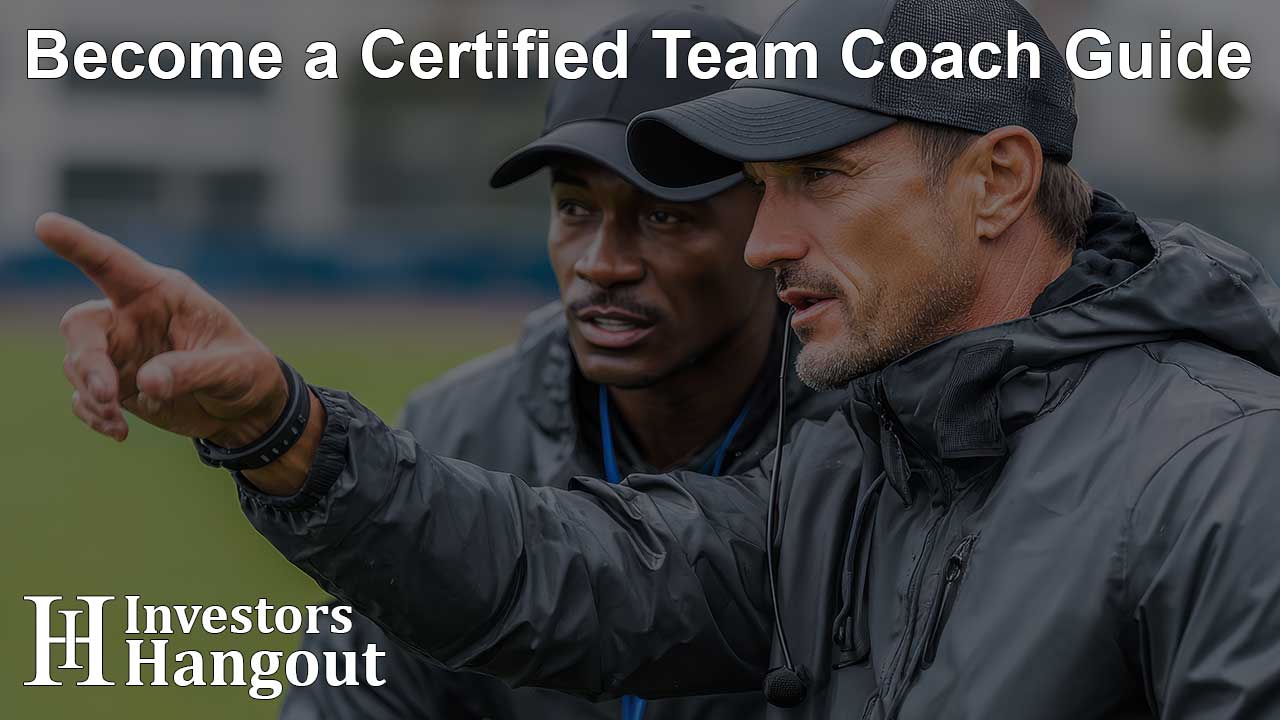
Increasingly, firms are discovering that good teamwork is a key factor for long-term success. Businesses encounter complicated difficulties and need people who can assist teams enhance their communication, collaboration and performance. Team coaching is a good way to develop high performing teams and healthier workplace environments.
Get a team coach certification. This is a terrific opportunity to support teams through meaningful transformation. This professional path is about more than just mastering the coaching techniques. This includes the development of effective communication skills, knowledge of team dynamics, practical experience and the completion of recognised training schemes. Certification is a structured way into this growing field for those who want to help teams reach their potential.
What Is Team Coaching and What Does a Team Coach Do?
A team coach helps teams get better at teamwork. A consultant will provide solutions, a coach will facilitate teams to reflect, uncover and improve.
Supporting Team Development
Coaches work with teams to figure out what is affecting performance. For example it could be communication problems, lack of clear goals, conflict or problems with change.
Improving Team Performance
The role of a team coach is to support teams to improve their relationships, decision making processes and accountability.
A good coach knows that a team is more than a bunch of players. The way team members relate often determines the success of the whole team.
Step 1: Building the Foundations of Team Coaching
In order to become a qualified team coach, the first thing you need to do is get a good understanding of coaching principles.
Study Team Operations
Good team coaches know how groups function. This requires knowledge of communication styles, leadership styles, conflict resolution and organizational behavior.
Understanding Coaching Approaches
Different coaching techniques provide the tools to help teams progress. Those coaches who know structured frameworks can lead conversations and promote further meaningful development.
Step 2: Build Your Core Coaching Skills for Teams
Certification programs are aimed at building the practical skills coaches need to work with teams.
Engaged Listening
A team coach has to be a good listener, able to hear what is happening below the surface of conversations. Good listening will find the chances and challenges to change.
Facilitation Skills
Coaches often facilitate communication between teammates. Being a good facilitator means giving everyone the chance to participate and teams getting productive results.
Emotional Intelligence
Teams need to be emotionally aware. Coaches need to understand how emotions affect communication, relationships, and decision-making.
The Capability to Ask
Great questions make teams think differently. Coaches ask questions that encourage members to develop their own insights and answers.
Step 3: Choose a Recognized Team Coaching Certification Program
A key part of becoming a professional team coach is selecting the correct certification program.
Evaluation of Program Quality
A good program should have theory, practical exercises, supervised coaching experience and feedback from experienced instructors.
Standards and Accreditation
Professional certifications help prove you are credible. Certification is an investment in your future. Consider training standards and program requirements to see if it aligns with your long term job goals.
Get Practical Experience
Learning to understand the concepts is important, but even more important is putting them into practice in real team situations to develop confidence and competence.
Step 4: Gain Real-World Experience as a Team Coach
It takes experience to be an expert coach. New coaches should be given the chance to put their abilities to use with teams in other contexts.
Start with Practice Sessions
Many certification programs permit the option of coaching teams under supervision. The coach can appreciate real challenges and improve their approach through such experiences.
Learn from Feedback
Feedback allows coaches to enhance their communication style, skills and to become better professionals.
Step 5: Build a Career as a Certified Team Coach
After coaches are trained and experienced they can go on to pursue several career options.
Collaborate with Organizations
Many firms use team coaches to increase collaboration, leadership and employee engagement.
How to Create a Successful Coaching Practice
Some coaches start their own firms and work with teams outside of the industry.
Promoting Leadership Development
Team coaches can also offer value to leadership programs by helping managers improve the way they lead and support their teams.
Key Advantages of Becoming a Certified Team Coach
Professional certification benefits coaches as well as the organizations with which they work:
-
Builds reputation and professional recognition
-
Develops advanced facilitation and communication skills
-
Provides opportunity to collaborate with diverse teams and sectors
-
Helps coaches to understand complex team dynamics
-
Offers a clear career path
Team Transformation: The Role of the Coach Partnership
The collaboration between coaches is a vital factor of successful team coaching. A good coach-team relationship creates trust, openness and accountability.
A team coach can’t control the process or have all the answers. Within the coach partnership, the coach creates a space for members to explore challenges, share perspectives, and come up with their own solutions. This collaboration promotes team ownership of their own development and progress.
What New Team Coaches Are Likely to Encounter
To begin your career as a team coach you need patience and constant development.
Handling Difficult Team Situations
A team is often a collection of individuals, expectations, and viewpoints. Coaches have to know how to have conversations and how to be neutral.
Continuing Professional Development
Successful coaches never stop learning, through additional training, communities of peers and genuine coaching experience.
Coaching the Team: Create Your Future
To become a certified team coach you need education, practical experience and commitment. It’s a learning path of team behaviour, coaching skills, certification and using information in real settings.
Conclusion: How to Get Started as a Team Coach
Coaching teams is a rewarding career opportunity for professionals who want to help organizations improve the way they work together and perform. When properly trained and committed, certified team coaches can help teams navigate challenges, build better relationships and achieve sustainable success. With the emphasis on teamwork still high in business, the skills of team coaches will be vital in creating strong, resilient organisations.