For most of Tim Cook's tenure running Apple, what had been so brilliant about the company was not that it kept coming up with quite new products, but that it kept iterating on them, increasing production, and selling them like crazy. That particular trait is already providing a helpful lens through which to examine Apple's new CEO, John Ternus.
As Bloomberg reported, as relayed by MacRumors, Ternus "speaks regularly with Apple's design team, often several times a week, and has made multiple visits to the studio in a day," while Tim Cook "touches the studio about once a month, if that, for about an hour." Ternus also "spends more time working with the industrial design and human interface teams, with the finance and supply-chain colleagues handling a greater proportion of that work," Bloomberg adds.
Under Tim Cook, Apple has relied heavily on services to capitalize on its billions of devices in circulation. This has been a resounding success at the expense of some industry leaders. Apple Pay has encroached on the markets of services like PayPal or Stripe, though rumored Stripe IPO remains on the horizon; Apple Music has overshadowed Spotify; and Apple TV has carved out a niche in VOD thanks to global hits like Severance and Silo — all services that have allowed the Cupertino-based firm to make a huge amount of money without having to manufacture specific hardware.
That's a significant change of focus. Ternus has a background in hardware engineering and Apple says he was brought into its product design group in 2001. The fact he's being kept in the studio shows the CEO is keen to remain close to the decisions that go into the design of the company's products — not just how they are made, priced, or sold. Apple is officially returning to an era of creativity after a period of exponential growth under Tim Cook.
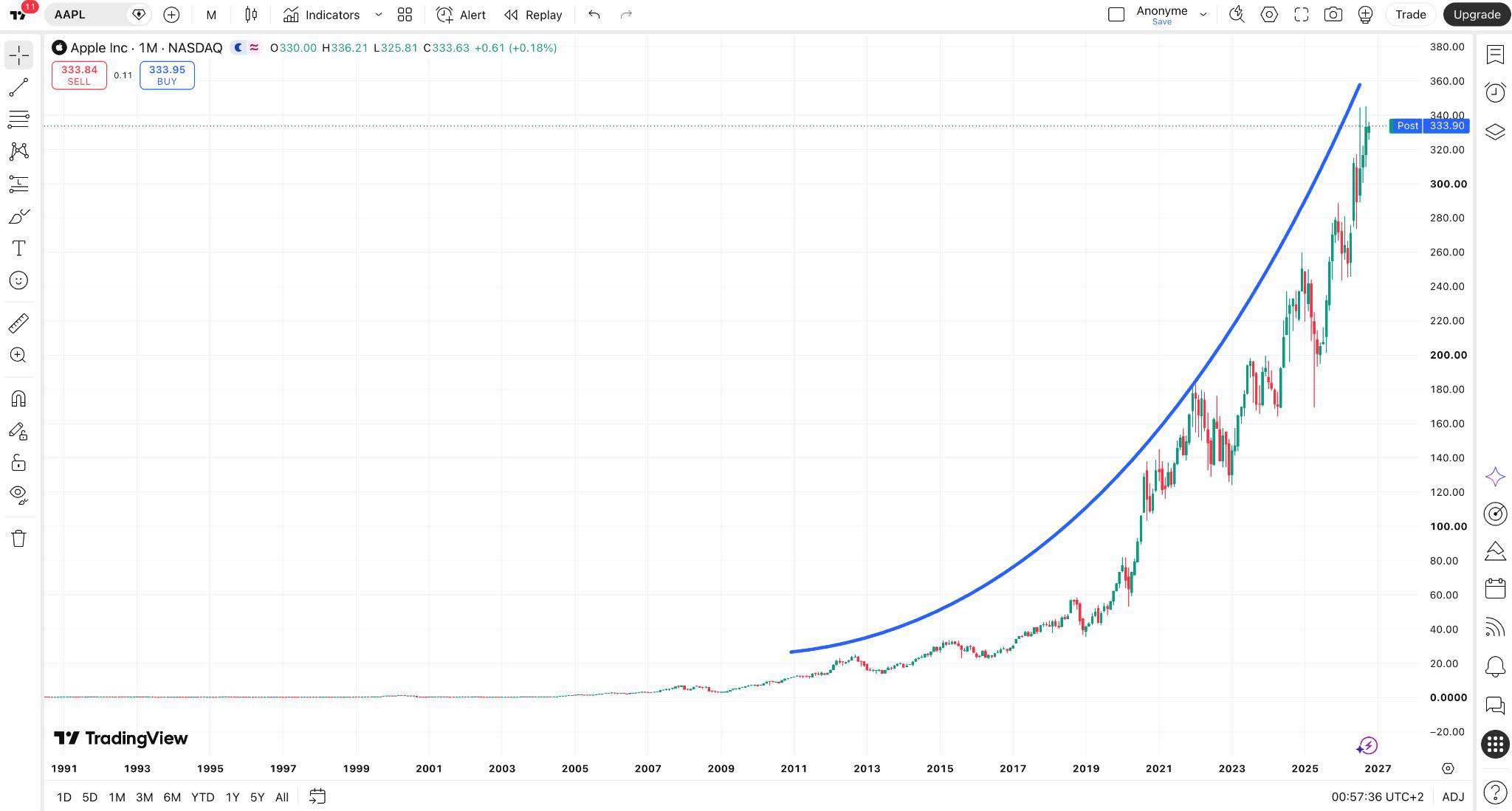
One is tempted to describe this as a return to creativity. More careful analysis, however, suggests that the company may be starting to put more weight behind creative and product decisions being made at the top level.
As the CEO is involved again and again, engineering and design can talk about things more directly, decisions can be made more swiftly, and the message is sent to employees that product judgment matters. It is exactly in these circumstances that Apple might risk more boldly.
It would be wrong to make too much of the difference between Cook's tenure and the current approach, since the former added all sorts of new products and offerings — Apple Watch, AirPods, Vision Pro — and new businesses like Apple Pay, Apple Music.
It is also unfair to restrict his stint to operational efficiency, the argument is about leadership styles and awareness: Cook was involved in the nitty-gritty of Apple's operations and supply chain, Ternus is meant to bring product to the fore.
Having the CEO more directly involved does not necessarily lead to better work. It might help the teams in getting decisions and resources, but it might also turn the CEO into a bottleneck if there is too much detail to pass through his approval. Visits to the studios are an early indication, not necessarily conclusive, of Apple's future innovative offerings.
Ultimately, the measure of Apple's design-oriented approach will come in what customers end up getting — if their hardware and software look, feel, and work more unified; if Apple solves new problems instead of just solving old ones; and if Apple can turn its obsession with design into experiences that customers love. That's a little trickier to assess than a leader's profile or the number of hours he spends in the gym.
For investors, this also matters because Apple has repeatedly held first place in the stock screener by market cap, and a change in product strategy at that scale can influence sentiment across the broader market.
For now, the best conclusion appears to be that Apple may be in a transition from a primarily execution phase to a more product and design-oriented period. We could call it a new creative era, but it is still a hypothesis that needs to be proven by the next product.