
Street Food Bikes in the USA: Pedaling Flavor and Sustainability Across American Streets
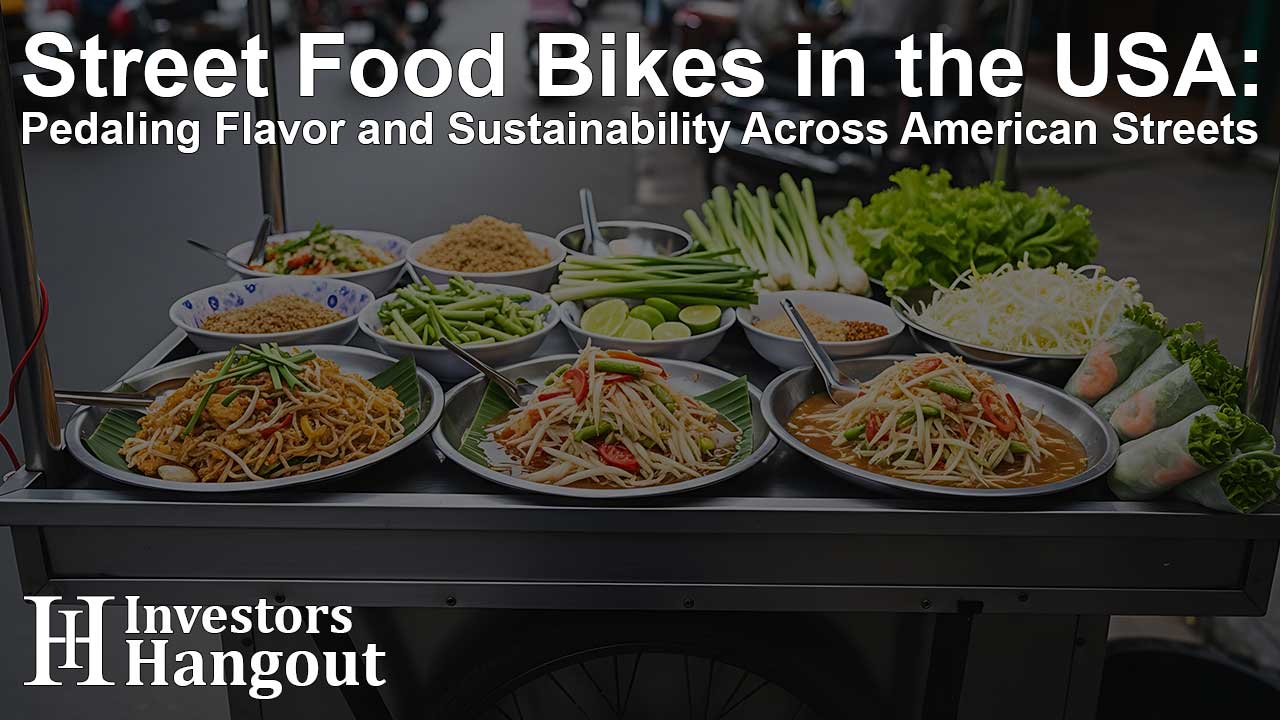
The American street food scene is evolving — and it’s doing so on two wheels. Across the United States, street food bikes are redefining what it means to eat on the go. From Los Angeles coffee bikes to New York City taco trikes, these mobile culinary ventures are reshaping urban dining with creativity, sustainability, and community spirit.
A New Chapter in American Street Food
For decades, the food truck has dominated U.S. street dining — from Los Angeles’ famous taco trucks to Austin’s vibrant trailer parks. But a new wave of entrepreneurs is trading engines for pedals. The street food bike (also called a “food cart bike” or “bike café”) is becoming a visible and eco-friendly alternative, offering flexibility and lower startup costs.
A food bike can operate in places that food trucks can’t: pedestrian zones, parks, college campuses, and even beaches. This mobility opens opportunities for small business owners and creators who want to test concepts or build local followings without investing in an expensive vehicle or commercial kitchen.
In cities like Portland, Oregon, and Seattle, Washington, food bikes are even being incorporated into local markets and sustainability programs, aligning with community efforts to reduce carbon emissions and promote bicycle culture.
Why Americans Are Falling in Love with Food Bikes
Several factors are fueling the rise of street food bikes across the U.S.:
1. Affordability and Accessibility
Starting a food truck can cost anywhere from $50,000 to $200,000, while a fully equipped food bike might cost $3,000 to $10,000. For young entrepreneurs, students, or independent chefs, that difference makes the dream of owning a food business attainable.
2. Eco-Friendly and Mobile
Food bikes produce zero emissions, use no gas, and can navigate narrow or crowded spaces with ease. Many operators use solar-powered coolers, rechargeable blenders, and biodegradable packaging — appealing to environmentally conscious customers.
3. Health and Community Focus
Many American food bike vendors emphasize local, organic, and healthy ingredients. For instance, smoothie bikes in California and Hawaii use locally sourced fruits, while coffee bikes in Boston and Chicago partner with ethical roasters. These vendors aren’t just selling food — they’re promoting sustainable lifestyles and community connections.
Popular Street Food Bike Concepts in the U.S.
The creativity of American entrepreneurs knows no limits. Here are some popular trends rolling across U.S. streets:
-
Coffee & Espresso Bikes – Serving lattes, cold brew, and pastries at morning markets and office districts (especially common in Portland, Seattle, and San Francisco).
-
Ice Cream and Dessert Bikes – Classic Americana on wheels, seen in summer festivals and boardwalks from Santa Monica to Miami Beach.
-
Taco and Burrito Bikes – Compact versions of taco trucks, popular in Texas, California, and New Mexico.
-
Juice & Smoothie Bikes – Often equipped with blenders powered by pedaling, combining fitness and food.
-
Hot Dog and Pretzel Bikes – A modern spin on New York’s iconic street vending tradition.
These concepts merge nostalgia with innovation, giving customers a fresh and memorable experience while supporting local entrepreneurship.
Regulations and Roadblocks
Operating a street food bike in the U.S. isn’t without challenges. Each city has its own permits and health regulations, often designed for trucks or pushcarts — not bikes.
For example, New York City has strict mobile food vending permits that can take years to obtain, while Austin and Denver offer more flexible rules, making them friendlier for startups. Advocates are pushing for updated laws to recognize food bikes as a legitimate and sustainable part of the urban economy.
Another challenge is weather. Unlike Europe’s mild climate, many parts of the U.S. experience extreme heat, snow, or rain — requiring vendors to adapt with insulated storage, canopies, or seasonal business models.
American Success Stories
-
Joe Coffee Bike (New York City) – A pedal-powered espresso bar serving commuters in Manhattan’s financial district. Its minimalist setup and organic beans attract eco-conscious professionals.
-
The Waffle Wagon (Austin, Texas) – A custom-built trike that serves Belgian waffles with local honey and fruit. Its popularity led to catering gigs and collaborations with breweries.
-
Green Pedal Smoothies (California) – A fleet of smoothie bikes that let customers generate their own blended drinks by pedaling, combining fun and fitness.
-
The Rolling Barista (Portland, Oregon) – A solar-powered coffee bike that uses recycled materials for its setup, winning sustainability awards from local organizations.
These examples show that American entrepreneurs are blending mobility, design, and sustainability in ways that resonate with modern consumers.
The Road Ahead
As more Americans embrace cycling culture, sustainability, and local business, street food bikes will only continue to grow. Cities like Denver, Portland, and Minneapolis are already considering special food bike zones, and urban planners are exploring ways to integrate them into public events and city squares.
In a country built on innovation, the street food bike captures the American spirit perfectly — resourceful, creative, and forward-moving. Whether it’s a cold brew on a sunny boardwalk or a late-night taco served from a glowing trike, the future of American street food might just arrive on two wheels.
About The Author

Contact Henry Turner privately here. Or send an email with ATTN: Henry Turner as the subject to contact@investorshangout.com.
About Investors Hangout
Investors Hangout is a leading online stock forum for financial discussion and learning, offering a wide range of free tools and resources. It draws in traders of all levels, who exchange market knowledge, investigate trading tactics, and keep an eye on industry developments in real time. Featuring financial articles, stock message boards, quotes, charts, company profiles, and live news updates. Through cooperative learning and a wealth of informational resources, it helps users from novices creating their first portfolios to experts honing their techniques. Join Investors Hangout today: https://investorshangout.com/