
A Buyer's Guide for Pontoon Boats: Key Mistakes to Avoid
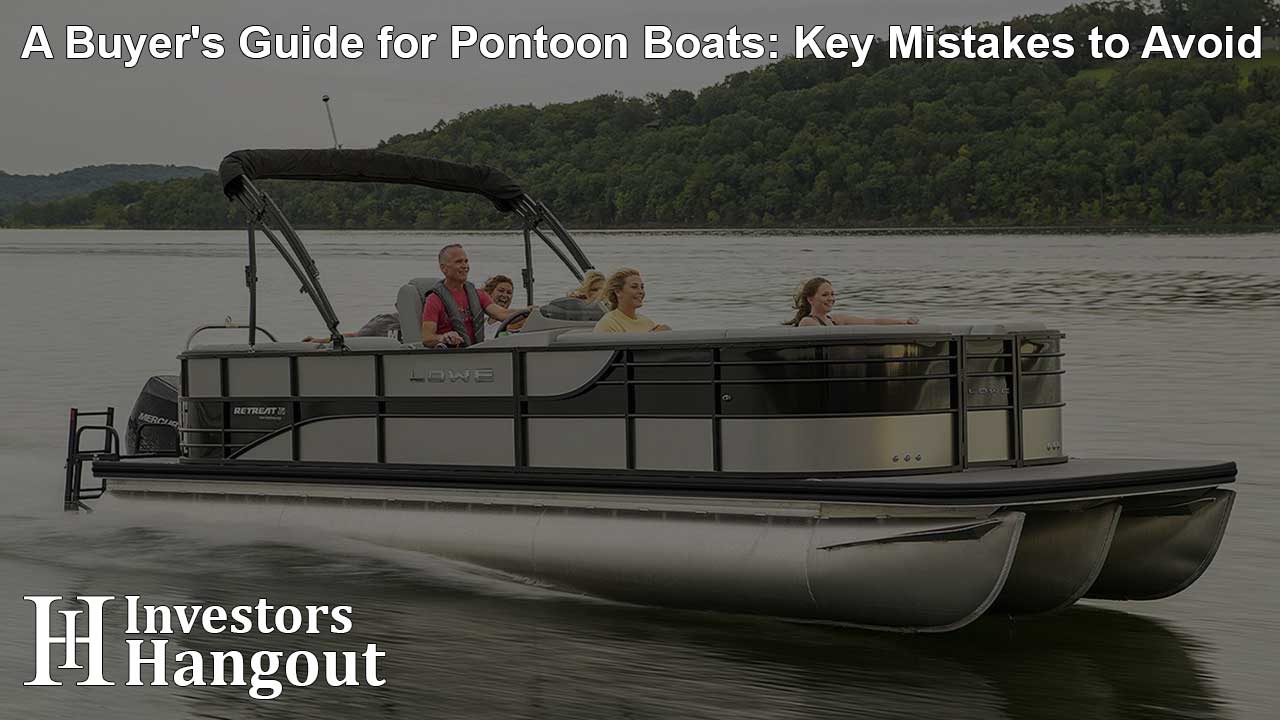
Pontoon buyers consistently repeat the same expensive mistakes despite spending months researching brands and features. They focus on finding the perfect boat while ignoring critical decisions about engine sizing, manufacturer reliability, and essential accessories that determine whether ownership delivers satisfaction or constant frustration. Understanding these common pitfalls before buying a pontoon boat prevents the regrets that plague thousands of first-time owners.
The pontoon buying process resembles purchasing a car, with similar research into manufacturers, features, and pricing. However, boats involve unique considerations around engine power, water compatibility, and ongoing maintenance that car buyers never face. First-time pontoon buyers who approach the process like buying a vehicle inevitably overlook boat-specific factors that cost thousands to correct later.
1. Choosing Unreliable Manufacturers
Brand reputation matters far more for boats than most buyers realize. Unlike cars with standardized quality across brands, pontoon manufacturers vary dramatically in construction methods, materials, and long-term durability. Boats from questionable manufacturers may look identical to quality alternatives at purchase but fail catastrophically within years, leaving owners with expensive repairs or worthless vessels.
The Danger of Prioritizing Price Over Quality
Buyers prioritizing immediate availability or lowest price often skip manufacturer research entirely. They find boats in stock, negotiate acceptable pricing, and complete purchases without investigating whether their chosen brand builds boats that last. This shortcut costs dearly when pontoon tubes develop leaks after three years, deck materials rot from moisture intrusion, or manufacturers refuse warranty claims on technicalities.
What Quality Manufacturers Offer
Quality manufacturers distinguish themselves through transparent specifications and comprehensive warranties. They publish detailed information about aluminum grades, deck materials, and weld standards. Premium brands often provide 10-year warranties on structural components, demonstrating confidence in their construction. Budget manufacturers offer minimal 2-3 year warranties, revealing their expectations about product longevity.
Corrosion Protection and Support Networks
Marine-grade aluminum resists corrosion in freshwater for decades with minimal maintenance. Inferior alloys corrode rapidly, particularly in saltwater, requiring expensive repairs within 5-7 years. Quality manufacturers specify exact aluminum grades and protective treatments, while vague specifications signal potential problems.
Customer support matters when problems arise. Manufacturers with established dealer networks resolve issues quickly, minimizing downtime. Brands lacking support leave owners searching for mechanics willing to work on unfamiliar boats. Research manufacturer reputation through owner forums and marine mechanic recommendations before committing to specific brands.
2. Skipping Important Accessories
Budget-conscious buyers frequently purchase bare-bones pontoons intending to add accessories later, then discover the boat sits unused because essential equipment was never acquired. The initial savings evaporates when buyers realize they cannot safely or legally operate their boats without proper equipment.
Protection and Anchoring
Covers protect pontoons from UV damage, rain, and debris that degrade upholstery. Quality covers cost $400 to $800 but prevent thousands in premature replacement. Boats stored uncovered age dramatically faster and lose resale value.
Anchor systems secure boats safely rather than drifting or damaging shorelines. Complete setups cost $150 to $300, dramatically expanding where you can enjoy time on the water.
Required Safety Equipment
All jurisdictions mandate specific safety minimums. Coast Guard-approved life jackets for every passenger, throwable flotation devices, fire extinguishers, sound-producing devices, and navigation lights qualify as legally required. Operating without compliant equipment results in citations and fines. Budget $300 to $600 for complete safety equipment.
Docking, Trailering, and Comfort
Proper fenders prevent docking damage. The $100 to $200 investment prevents hundreds in repairs. Insurance coverage for recreational boats typically includes $250 to $1,000 deductibles, making damage prevention financially smarter than relying on claims.
Trailer selection matters if you plan to transport your pontoon. Properly rated trailers cost $2,000 to $4,000 but last decades. Inadequate trailers damage boats and create safety hazards.
Bimini tops provide essential shade, preventing sunburn and heat exhaustion. Quality tops cost $800 to $1,500 but transform usability during summer months.
3. Choosing the Wrong Pontoon Size
Size mistakes cost thousands to correct and frequently lead to boat sales at significant losses. Boats that are too small fail to accommodate growing families, while oversized boats cost more to purchase, operate, and store than buyers anticipated.
The Undersizing Problem
Buyers purchasing undersized pontoons consistently underestimate their typical passenger counts. The 18-foot pontoon that accommodates a couple feels cramped when children arrive or friends join outings. Upgrading requires selling at 30-40% loss and purchasing a larger replacement, effectively paying double.
The Oversizing Trap
Buyers seduced by spacious 26-foot pontoons discover the extra deck space goes unused while operational costs mount. Larger boats require more powerful engines burning substantially more fuel. Insurance and storage costs rise proportionally. The extra $15,000 spent purchasing a larger boat compounds through higher annual operating expenses.
Right-Sizing Your Purchase
Consider realistic usage patterns rather than aspirational scenarios. If 90% of outings involve 4-6 people, size for that reality rather than twice-yearly gatherings with 12 guests. The smaller boat serves adequately for typical use while saving thousands.
Water conditions influence appropriate sizing. Large open lakes demand 22-24 foot boats to handle waves safely. Protected waters accommodate 18-20 foot pontoons comfortably while lowering costs.
Storage and Engine Considerations
Storage constraints limit practical sizes. Marina slip availability typically tops out around 24 feet without price increases. Home storage requires adequate space. HOA restrictions may prohibit boats exceeding certain lengths. Verify storage options before selecting boat size.
Engine requirements increase with boat length. An 18-foot pontoon performs adequately with 60-90hp while 24-foot models need 115-150hp. Buyers choosing boats based solely on deck space without considering engine requirements commit to substantially higher costs.
4. Saving on Engine Choice
Engine underspecification represents the single most expensive mistake pontoon buyers make. The $5,000 to $8,000 saved choosing inadequate horsepower costs substantially more through poor performance and eventual repowering expenses.
The Reality of Underpowered Boats
Fifty to 60hp engines appear adequate for relaxed cruising. However, real-world boating involves wind, currents, and occasional needs for reasonable speeds. A 22-foot pontoon with 60hp barely planes, wallowing at 12-15 mph maximum while burning excessive fuel. Passengers endure slow, uncomfortable rides.
Premature Engine Failure
Continuous full-throttle operation to achieve marginal speeds destroys undersized engines prematurely. The $5,000 saved on initial purchase disappears within three years through elevated maintenance costs and early engine replacement.
Recommended Horsepower by Size
An 18-20 foot pontoon needs 60-90hp minimum, with 90hp strongly preferred. A 22-24 foot boat requires 115-150hp depending on passenger loads. Larger 26-foot pontoons need 150-200hp to perform acceptably.
Performance and Weight Factors
Performance expectations influence engine selection. Buyers content with 18-22 mph cruising can choose lower horsepower. Those wanting 25-30 mph capability or planning to pull tubes need higher horsepower.
Boats equipped with extensive amenities and typical passenger loads weigh substantially more than bare boats. This additional weight requires proportionally more power to achieve acceptable performance.
The Cost of Repowering
Replacing an inadequate engine costs $12,000 to $20,000 including labor, essentially paying for a proper engine twice. This expensive correction reinforces the wisdom of specifying adequate power initially.
Make Informed Decisions
Successful pontoon purchases require balancing budget, features, and capabilities while avoiding common mistakes. The four pitfalls discussed above, manufacturer quality, accessory selection, proper sizing, and adequate engine power, represent the most frequent and expensive errors first-time buyers make. Each mistake compounds over time, transforming what should be enjoyable ownership into ongoing frustration and expense.
Smart buyers invest time in proper research before committing to specific boats. The weeks spent evaluating manufacturers, determining realistic size requirements, and understanding engine needs pay dividends throughout ownership. This careful preparation prevents the hasty decisions that create years of regret and thousands in corrective expenses.
Patient shopping during off-season periods allows for thorough evaluation without sales pressure. The right pontoon chosen deliberately through informed decision-making delivers decades of enjoyment and creates the memorable experiences that justify the investment. Avoiding these four common mistakes ensures your purchase becomes a source of satisfaction rather than an expensive lesson in what you should have done differently.
About The Author

Contact Evelyn Baker privately here. Or send an email with ATTN: Evelyn Baker as the subject to contact@investorshangout.com.
About Investors Hangout
Investors Hangout is a leading online stock forum for financial discussion and learning, offering a wide range of free tools and resources. It draws in traders of all levels, who exchange market knowledge, investigate trading tactics, and keep an eye on industry developments in real time. Featuring financial articles, stock message boards, quotes, charts, company profiles, and live news updates. Through cooperative learning and a wealth of informational resources, it helps users from novices creating their first portfolios to experts honing their techniques. Join Investors Hangout today: https://investorshangout.com/